By Roy Banks September 22, 2025
Success in today’s subscription-driven economy is determined by how many customers stick around rather than just how many sign up. For companies of all sizes, churn—the gradual loss of subscribers—subtly reduces revenue and impedes expansion.
Although product updates and marketing campaigns frequently take center stage, billing is one of the most underappreciated retention factors. A poorly managed renewal reminder, a perplexing invoice, or an unsuccessful payment can mean the difference between retaining and losing a devoted client.
These routine procedures become tools for trust, transparency, and customer service through more intelligent subscription billing and careful dunning management, which eventually lowers attrition and builds enduring bonds.
The Hidden Cost of Churn in the Subscription Economy
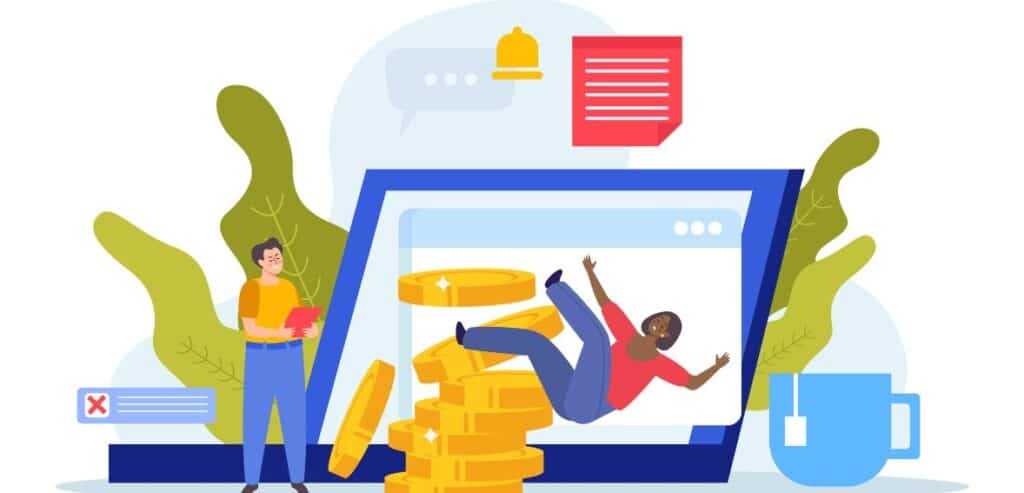
In today’s subscription economy, customer retention is the lifeblood of growth. Businesses that rely on recurring revenue models know that acquiring new subscribers is expensive, but keeping them engaged and paying is both more profitable and sustainable.
However, churn—the silent killer of subscription businesses—continues to be a problem for many businesses. Churn frequently occurs when billing and payment procedures cause needless friction rather than because customers don’t like the service. Customers may become frustrated and terminate their subscriptions as a result of a failed card transaction, an inconvenient attempt at renewal, or opaque billing.
Why Smarter Billing Matters More Than Ever
To tackle this challenge, businesses are turning to smarter subscription billing systems and refined dunning management strategies. Smarter billing means offering flexibility, clarity, and personalization to customers, ensuring that payment processes are as seamless as possible.
Dunning management, which refers to the process of recovering failed payments, has evolved from simple reminder emails to a science of customer communication, payment retries, and account recovery. Together, these approaches can significantly reduce churn, preserve relationships, and enhance long-term customer lifetime value.
A robust subscription platform not only handles recurring payments, but offers flexibility, customer account management, and insightful reporting. When choosing a subscription billing system, look for features like automated renewals, trial period handling, and dunning tools to minimize missed payments.
Transparency and Flexibility in Payment Experiences

Smarter subscription billing starts with understanding customer expectations in a digital-first economy. Today’s subscribers expect flexibility in how they pay, when they pay, and the transparency of charges they see on their statements. Offering multiple payment methods, from credit and debit cards to digital wallets and bank transfers, shows that a business values convenience.
Similarly, subscription models that allow users to pause, downgrade, or switch plans reduce the risk of customers leaving entirely. Instead of forcing an all-or-nothing decision, businesses can offer softer off-ramps that keep subscribers engaged at some level, preserving revenue even if at a reduced rate.
Automation and the Role of Retry Logic
Another essential part of smarter billing is clarity. Hidden fees, confusing invoices, or sudden price hikes can erode trust quickly. Transparency in subscription costs, coupled with proactive communication when changes occur, creates confidence in the relationship.
Customers want to feel that they are partners, not just sources of revenue. Automation further strengthens billing systems by minimizing human error, enabling timely invoicing, and supporting sophisticated retry logic when payments fail. Retrying transactions at optimized times significantly improves payment recovery without alienating subscribers.
Evolving Dunning Management into a Customer-Centric Practice
Dunning management builds on these systems by addressing the delicate art of payment recovery. Historically, dunning was a blunt process—sending generic reminders or threatening service suspension until payment was made. Today, that approach no longer works.
Customers are quick to leave when they feel pressured or shamed. Smarter dunning instead focuses on empathy, personalization, and strategy. It recognizes that payment failures are often not the customer’s fault—they may arise from expired cards, bank errors, or temporary cash flow issues. The goal is to resolve these issues while maintaining the customer’s goodwill.
Tailored Communication for Stronger Recovery
One way to achieve this is by tailoring dunning communications. Instead of generic reminders, businesses can segment their outreach based on customer behavior and history. For a long-term subscriber who has always paid on time, the tone may be light and understanding, while for newer customers, messaging may be more informative and instructional.
Automated emails, SMS reminders, and in-app notifications can be designed to reassure customers while prompting them to take action. When done well, dunning feels like customer support rather than debt collection.
Timing, Sensitivity, and Machine Learning
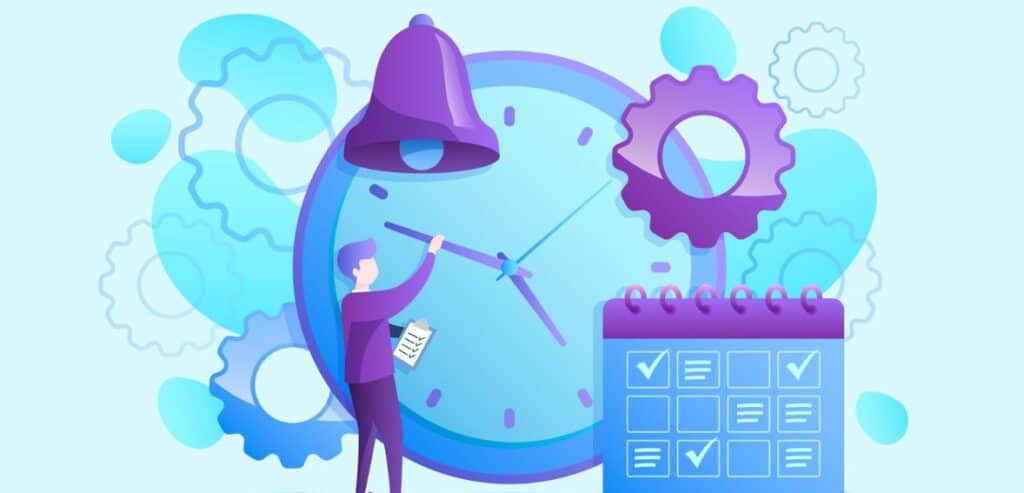
Timing is another critical factor. The best dunning strategies balance persistence with sensitivity. Retrying a failed payment multiple times within a short period may seem aggressive, but it often improves recovery rates.
However, overwhelming the customer with constant messages backfires. Advanced systems now use machine learning to optimize retry schedules and communication frequency. By analyzing patterns across thousands of transactions, they can predict the best times to attempt recovery, reducing customer frustration while improving success.
Turning Payment Recovery into Customer Retention
Integrating billing and dunning with customer experience initiatives creates powerful synergies. When businesses treat payment recovery as an extension of customer service, they avoid alienating subscribers and instead strengthen loyalty.
For example, a company might combine a failed payment reminder with a personalized offer to downgrade to a lower-priced plan, ensuring the customer remains engaged. Others might extend grace periods for long-term subscribers, demonstrating appreciation for their history with the brand. These approaches not only recover revenue but also deepen customer trust.
Voluntary vs. Involuntary Churn
Reducing churn requires addressing both voluntary and involuntary churn. Voluntary churn occurs when customers consciously cancel because they no longer see value in the service. Involuntary churn, by contrast, arises from failed payments, expired cards, or billing errors.
While voluntary churn requires improvements in product and customer engagement, involuntary churn is often directly tied to billing and dunning systems. Many companies underestimate how much revenue is lost each year to involuntary churn, even though it can often be prevented with relatively small adjustments.
Lessons from Real-World Success Stories
Real-world examples highlight the impact of these strategies. A streaming platform that implemented automated payment retries and empathetic dunning communication recovered millions in lost revenue annually.
A SaaS company that introduced flexible billing options, such as plan downgrades instead of outright cancellations, reduced voluntary churn by over 15 percent. Across industries, the common thread is that smarter billing and dunning turn what was once a back-office function into a driver of customer retention and growth.
In the software-as-a-service (SaaS) world, payments are not just transactions. They are the bridge between product usage and revenue. Whether your company provides project management software, marketing tools, or cloud storage services, how you optimize payment processing directly affects customer retention, revenue growth, and operational efficiency.
The Wider Benefits of Smarter Billing
The benefits extend beyond immediate revenue recovery. When customers experience smooth billing interactions, they are more likely to recommend the service to others, boosting word-of-mouth growth.
Positive payment experiences also reduce the burden on customer support teams, who otherwise spend significant time addressing billing complaints. This creates a virtuous cycle—happier customers, lower support costs, and stronger retention.
The Future of Subscription Billing and Dunning
Looking ahead, the future of subscription billing and dunning lies in personalization and intelligence. Advances in artificial intelligence and data analytics are enabling predictive models that anticipate payment issues before they happen.
For instance, systems can flag accounts with cards nearing expiration and prompt customers to update details proactively. Similarly, predictive churn analytics can identify at-risk subscribers and trigger targeted retention campaigns before cancellation occurs. These innovations represent the next frontier in reducing churn through smarter billing practices.
Beyond Technology: The Human Factor
However, technology alone is not enough. Businesses must also cultivate a culture that values customer relationships over short-term revenue. This means training teams to handle billing interactions with empathy, designing systems that prioritize customer convenience, and aligning metrics around lifetime value rather than immediate collections.
Companies that view billing and dunning as opportunities to strengthen trust rather than extract payments will build the most resilient subscription models.
Global Expansion and Local Adaptation
The global expansion of subscription services also adds complexity to billing and dunning management. Different regions have unique payment preferences, regulatory environments, and banking infrastructures.
Businesses serving international customers must adapt their billing systems to accommodate local norms. Offering localized payment methods, complying with regional data security standards, and tailoring communication to cultural expectations all play a role in reducing churn across diverse markets.
The Central Role of Customer Trust

The human element remains central. Behind every subscription is a customer who values the service but expects respect, clarity, and fairness. Smarter billing and dunning practices succeed when they balance financial recovery with empathy, ensuring that customers feel supported rather than alienated.
By humanizing these processes, businesses not only reduce churn but also differentiate themselves in a crowded market.
Lessons for Startups and Enterprises
For startups and smaller businesses, the temptation may be to delay investment in advanced billing and dunning systems until growth accelerates. But in reality, these practices are most effective when implemented early. Preventing churn from the beginning establishes healthy revenue streams, provides stability for scaling, and avoids the pain of trying to fix systemic issues later.
Larger enterprises, meanwhile, must focus on integrating billing and dunning systems with broader customer experience platforms. Unified data across billing, customer support, and product usage creates a holistic view of the subscriber journey.
Retention as a Strategic Necessity
The subscription economy thrives on trust. Customers commit to recurring payments because they trust the business will deliver value consistently and respect their time and money. Every billing interaction either strengthens or weakens that trust.
By adopting smarter subscription billing systems and empathetic dunning management strategies, businesses can reduce involuntary churn, recover lost revenue, and create experiences that keep subscribers loyal for the long haul.
Deepening Customer Engagement Through Billing Experiences
Billing may feel like a back-office task, but in subscription businesses, it is part of the customer experience. Every invoice, reminder, or payment confirmation is a touchpoint that either builds trust or erodes it.
When designed with clarity and empathy, billing interactions become extensions of brand values. Instead of frustrating customers with jargon-filled statements, companies can use these moments to reinforce transparency, highlight value, and reassure subscribers that their money is well spent. Even small touches—like personalized thank-you notes in invoices—help create positive associations that reduce the likelihood of churn over time.
The Psychological Side of Payment Recovery

Many companies overlook the psychological element of failed payments. For a customer, being told their payment didn’t go through can trigger embarrassment, frustration, or suspicion. If the recovery process feels cold or aggressive, those emotions may push them toward cancellation.
Smarter dunning strategies acknowledge these emotions and treat the situation with sensitivity. Gentle reminders, clear instructions, and flexible solutions minimize negative feelings and transform potential friction into reassurance. By handling failed payments in a way that respects the customer, businesses not only recover revenue but also preserve goodwill, which is vital for long-term retention.
Leveraging Data for Smarter Decision-Making
Subscription businesses already collect vast amounts of data about customer behavior, payment trends, and churn patterns. The key is putting that data to work. By analyzing transaction data, companies can identify at-risk customers early, spot recurring reasons for payment failures, and refine retry schedules to maximize recovery rates.
For instance, noticing that payments fail more often during weekends could inform adjustments to billing cycles. Similarly, recognizing which customer segments are most sensitive to billing issues allows for more tailored communication. In this way, smarter billing and dunning strategies are not static processes but constantly evolving systems driven by real insights.
Building Trust Through Flexibility and Control
Customers today value control over their subscriptions. They want to decide how they are billed, when renewals occur, and what options exist if their circumstances change. Offering flexible billing cycles, self-service portals, and the ability to downgrade or pause subscriptions can prevent cancellations before they happen.
This sense of control builds trust because customers feel respected rather than trapped. Businesses that embrace flexibility often discover that even when customers reduce their spending, they remain connected to the brand. Over time, this reduces overall churn while strengthening loyalty, as customers see the subscription as adaptable to their lives.
Conclusion: Billing as a Driver of Growth
In conclusion, reducing churn is not just about saving revenue—it is about preserving relationships. Subscription businesses that master the art of smarter billing and dunning management transform potential points of friction into opportunities for connection.
They turn failed payments into recovered accounts, billing transparency into customer confidence, and payment flexibility into lasting loyalty. In a world where customer attention is fleeting and competition fierce, the smartest businesses will be those that recognize billing not as a back-end function, but as a strategic lever for growth, trust, and long-term success.